 DYNAMO
Engineered
From the
Inside Out.
Diesel gensets and gas turbines from 20 kVA to 5000 kVA. Built for hospitals that cannot go dark, data centres calculating N+1 redundancy, and EPC contractors sourcing packaged power for remote oil & gas installations.
Six stages. Zero shortcuts. Every tolerance documented, every test witnessed, every certificate traceable to the unit serial number.
Metallurgy & Casting
Material Science · Foundry Operations · NDT Inspection
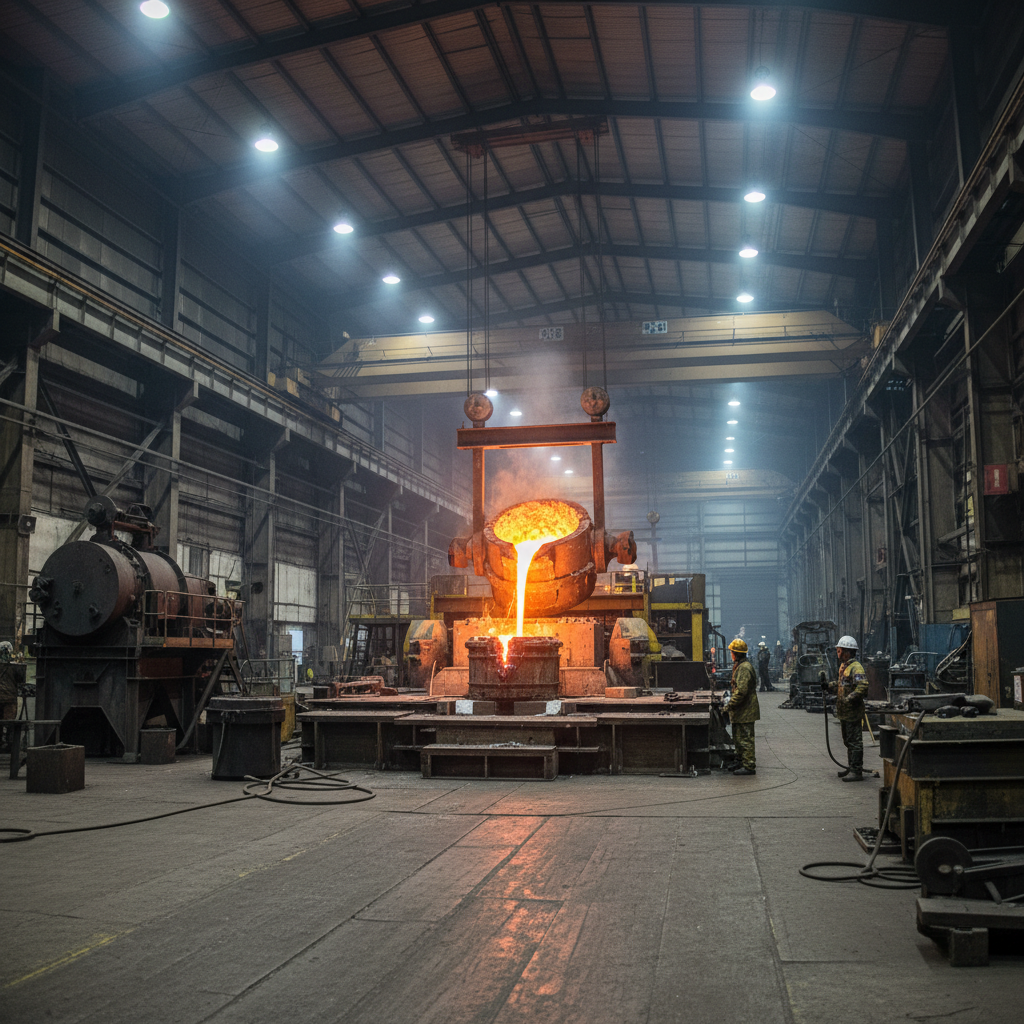
Every Dynamo crankshaft begins as a controlled pour of SAE 4340 chrome-molybdenum steel at 1,620°C. Spectrographic analysis confirms alloy composition before the casting is accepted into the production queue. Sand casting is used for complex geometries; investment casting for precision components with ±0.15mm wall tolerances. All castings undergo ultrasonic and magnetic particle inspection per ASTM E709 before machining begins.
| Parameter | Nominal | Tolerance | Standard |
|---|---|---|---|
| Crankshaft hardness | 58 HRC | ±2 HRC | ISO 6508 |
| Wall thickness | 18.0 mm | ±0.15 mm | ASTM A703 |
| Grain size (ASTM) | No. 7 | ≥ No. 6 | ASTM E112 |
| Tensile strength | 930 MPa | ≥ 860 MPa | EN 10002 |
Precision Machining
CNC Turning · Grinding · CMM Verification
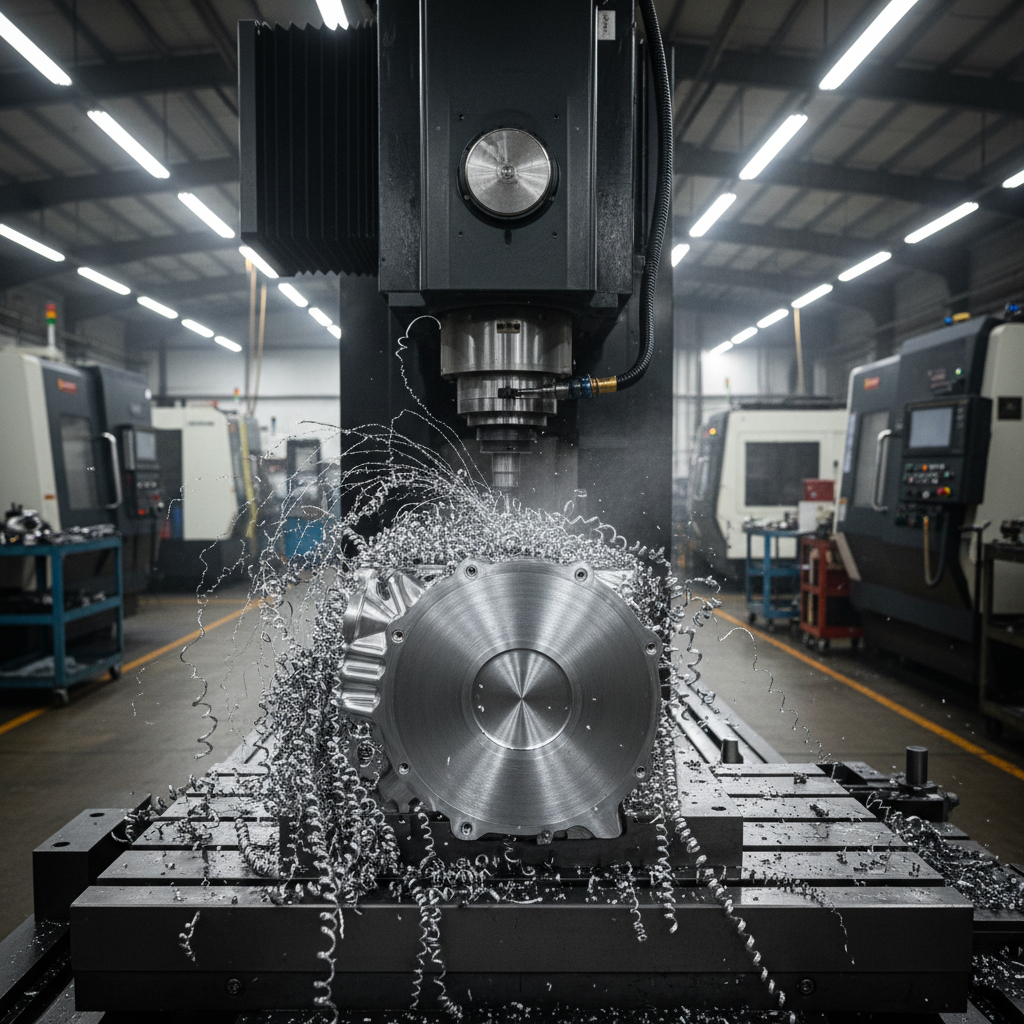
Casting blanks enter a 5-axis CNC machining cell for final dimensioning. Crankshaft main journals are ground to Ra 0.4μm surface finish — the tolerance that determines bearing life at 1800 RPM continuous. Every bearing surface is measured on a Zeiss CMM with 0.001mm resolution. Journal roundness is verified against ISO 1101 geometric tolerancing before the shaft is accepted. Cylinder liners are honed to a cross-hatch pattern at 45° to promote ring seating within the first 50 hours of operation.
| Parameter | Nominal | Tolerance | Standard |
|---|---|---|---|
| Journal diameter | 120.000 mm | -0.010/+0.000 | ISO 286-1 |
| Journal roundness | 0.000 | ≤ 0.003 mm | ISO 1101 |
| Surface roughness Ra | 0.4 μm | ≤ 0.6 μm | ASME B46.1 |
| Bore cylindricity | 0.000 | ≤ 0.005 mm | ISO 1101 |
Winding & Alternator Assembly
Stator Winding · Vacuum Pressure Impregnation · Balancing
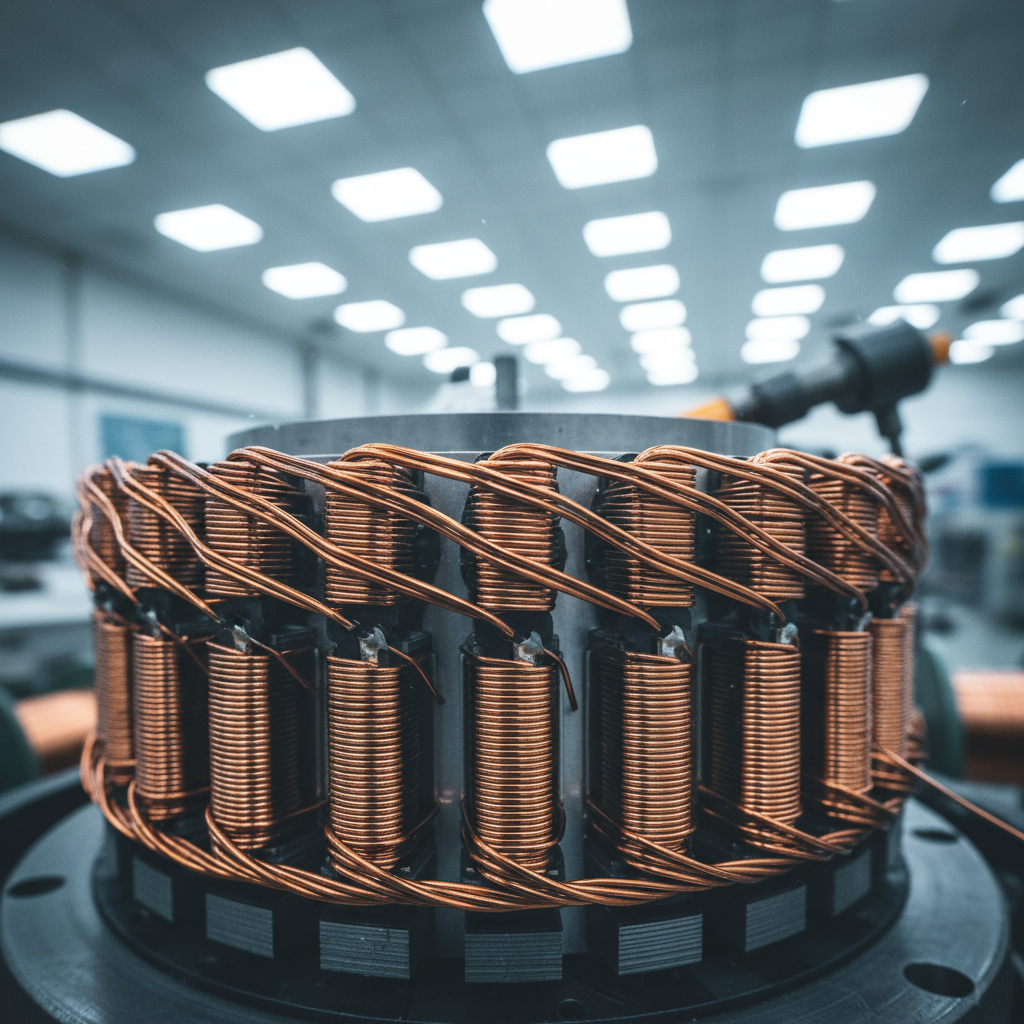
Stator coils are wound from Class H (180°C) enamelled copper wire on automated CNC winding machines. Coil geometry is controlled to ±0.5mm to ensure consistent slot fill factors above 0.72. After insertion, stators undergo Vacuum Pressure Impregnation (VPI) with Class H polyester resin — a single continuous process that eliminates voids and achieves dielectric strength >10kV/mm. Rotors are dynamically balanced to ISO 21940 Grade G2.5 at operational speed.
| Parameter | Nominal | Tolerance | Standard |
|---|---|---|---|
| Insulation class | Class H | 180°C continuous | IEC 60085 |
| Voltage regulation | 0.0% | ±0.5% (no-load to full) | IEC 60034-1 |
| Rotor balance grade | G2.5 | ≤ G4.0 | ISO 21940 |
| Slot fill factor | 0.74 | ≥ 0.72 | IEC 60034-1 |
Electronic Governing
Isochronous Control · AMF Logic · Paralleling
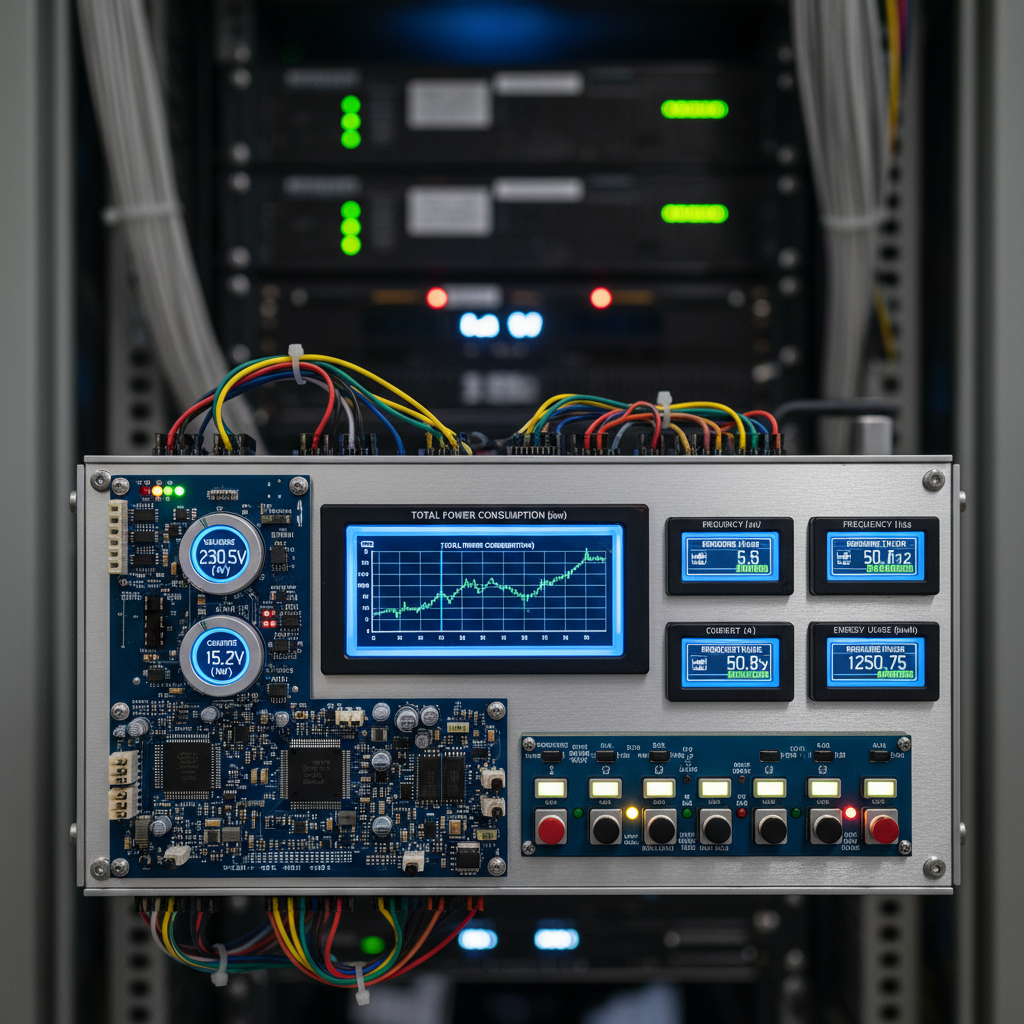
Every Dynamo set ships with a DY-GOV electronic governor calibrated for isochronous speed control (±0.25% steady-state frequency). The AMF controller monitors mains voltage on all three phases and initiates engine start within 3 seconds of mains failure — load transfer in under 10 seconds for critical applications. Paralleling capability is standard on all units above 250 kVA: load sharing accuracy is ±1% of rated kW between paralleled sets. Modbus RTU, Modbus TCP/IP, and CANopen are standard communication interfaces; IEC 61850 GOOSE messaging is available on the DY-CTL-SCADA option.
| Parameter | Nominal | Tolerance | Standard |
|---|---|---|---|
| Frequency regulation | 50.00 Hz | ±0.25% steady-state | IEC 60034 |
| Mains fail detect | 3.0 s | ≤ 3.0 s | IEC 60255 |
| Load transfer time | 10.0 s | ≤ 10.0 s | NFPA 110 |
| Parallel load share | ±1.0% | ≤ ±2.0% | IEC 61000 |
Load Bank Testing
Factory Acceptance Test · Thermal Soak · Emissions Verification
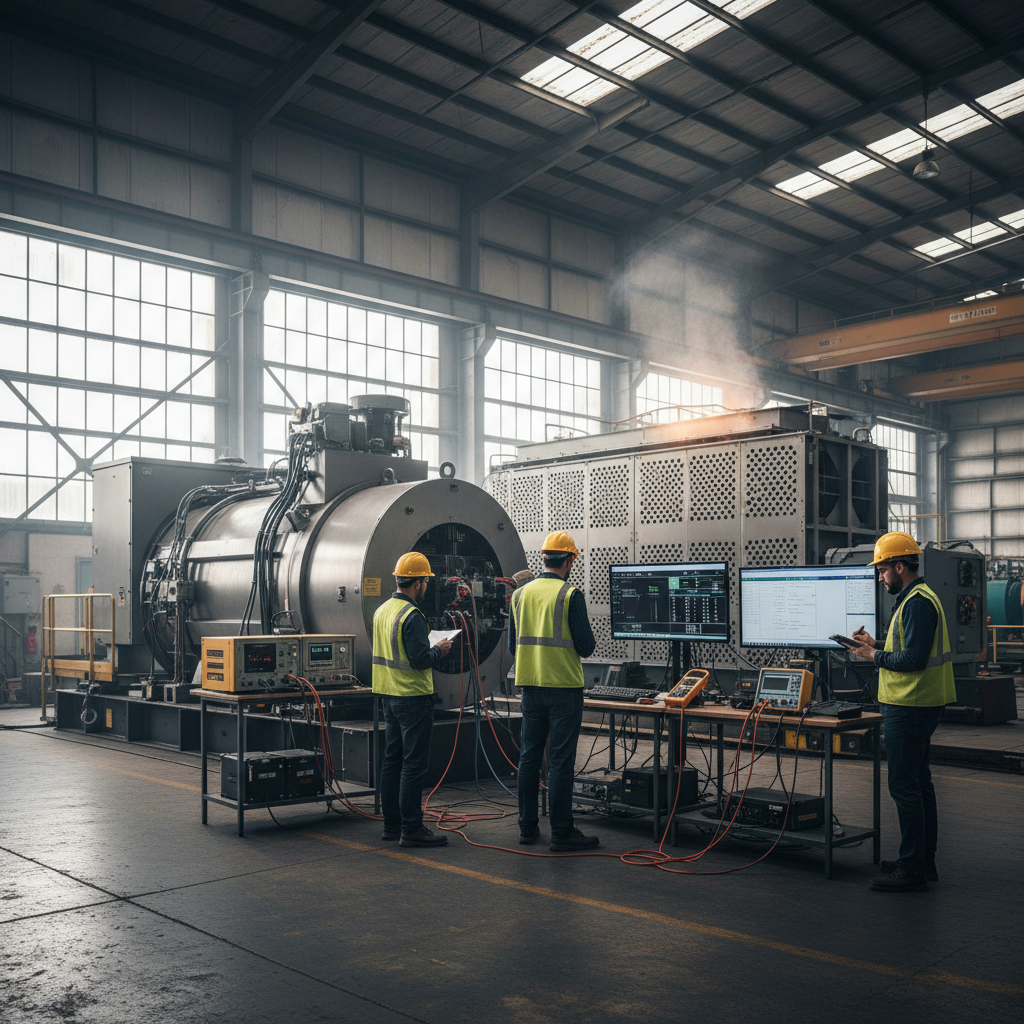
No Dynamo set leaves the factory without a witnessed Factory Acceptance Test (FAT) on a resistive/reactive load bank. The test sequence follows ISO 8528-2: cold start, step loading at 25%, 50%, 75%, and 100% rated kW, sustained 110% overload for 1 hour, and a 4-hour thermal soak at full load. Voltage and frequency transient response is oscillographically recorded. Exhaust emissions are measured per EPA Tier 4 Final / EU Stage V protocols with calibrated NOx and PM analysers. Test reports are issued in PDF format and archived against the unit serial number.
| Parameter | Nominal | Tolerance | Standard |
|---|---|---|---|
| Voltage transient (100% step) | -15% | ≤ -20% dip | ISO 8528-4 |
| Frequency transient | -10% | ≤ -15% dip | ISO 8528-5 |
| Recovery time (voltage) | ≤ 3.0 s | ≤ 4.0 s | ISO 8528-4 |
| NOx emissions | 0.4 g/kWh | ≤ 0.40 g/kWh | EPA Tier 4 |
Packaging & Commissioning
Canopy Fabrication · Acoustic Treatment · Site Commissioning
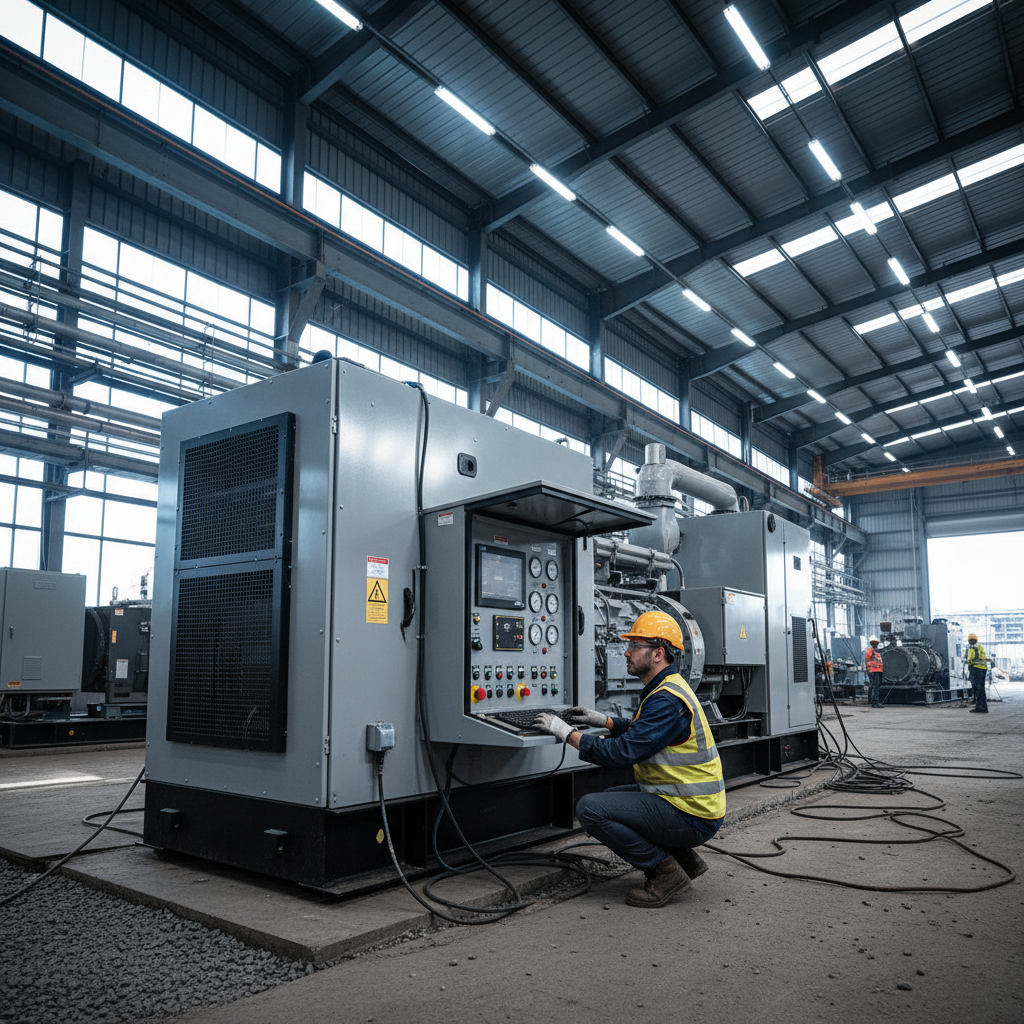
Gensets are mounted on fabricated steel base frames with 8-point anti-vibration isolation, then enclosed in acoustic canopies manufactured from 2mm galvanised steel with 50mm mineral wool lining achieving >=25dB(A) attenuation. Canopies are powder-coated RAL 7016 anthracite grey. Commissioning engineers carry out site acceptance testing to ISO 8528-6, including load acceptance, protection relay testing, and fuel system integrity checks. As-installed documentation packs include updated single-line diagrams, governor calibration certificates, and the unit's original FAT report.
| Parameter | Nominal | Tolerance | Standard |
|---|---|---|---|
| Acoustic attenuation | 25 dB(A) | ≥ 25 dB(A) | ISO 3746 |
| Vibration isolation | 8-point | ≤ 3mm deflection | ISO 10816 |
| Canopy IP rating | IP54 | IP54 min | IEC 60529 |
| Paint thickness | 80 μm DFT | ≥ 60 μm | ISO 2808 |
kVA Sizing Calculator
Enter your load profile, site altitude, and ambient temperature. The calculator applies IEC 60034-1 derating factors and returns a model recommendation with N+1 redundancy sizing.
Derating applied above 1000m ASL per ISO 8528-1
Enter load parameters to generate sizing recommendation
Download the Complete
Technical Spec Library
847 pages. Every model from 20 kVA to 5000 kVA. Includes winding diagrams, governor calibration data, load acceptance curves, material certificates, and factory test records. This is the documentation your site engineer will dog-ear.
Enterprise Procurement
For procurement teams requiring on-site quality audit, ITP review, and third-party inspection access.